
The real cost of cheap protein bars
By Clera Research
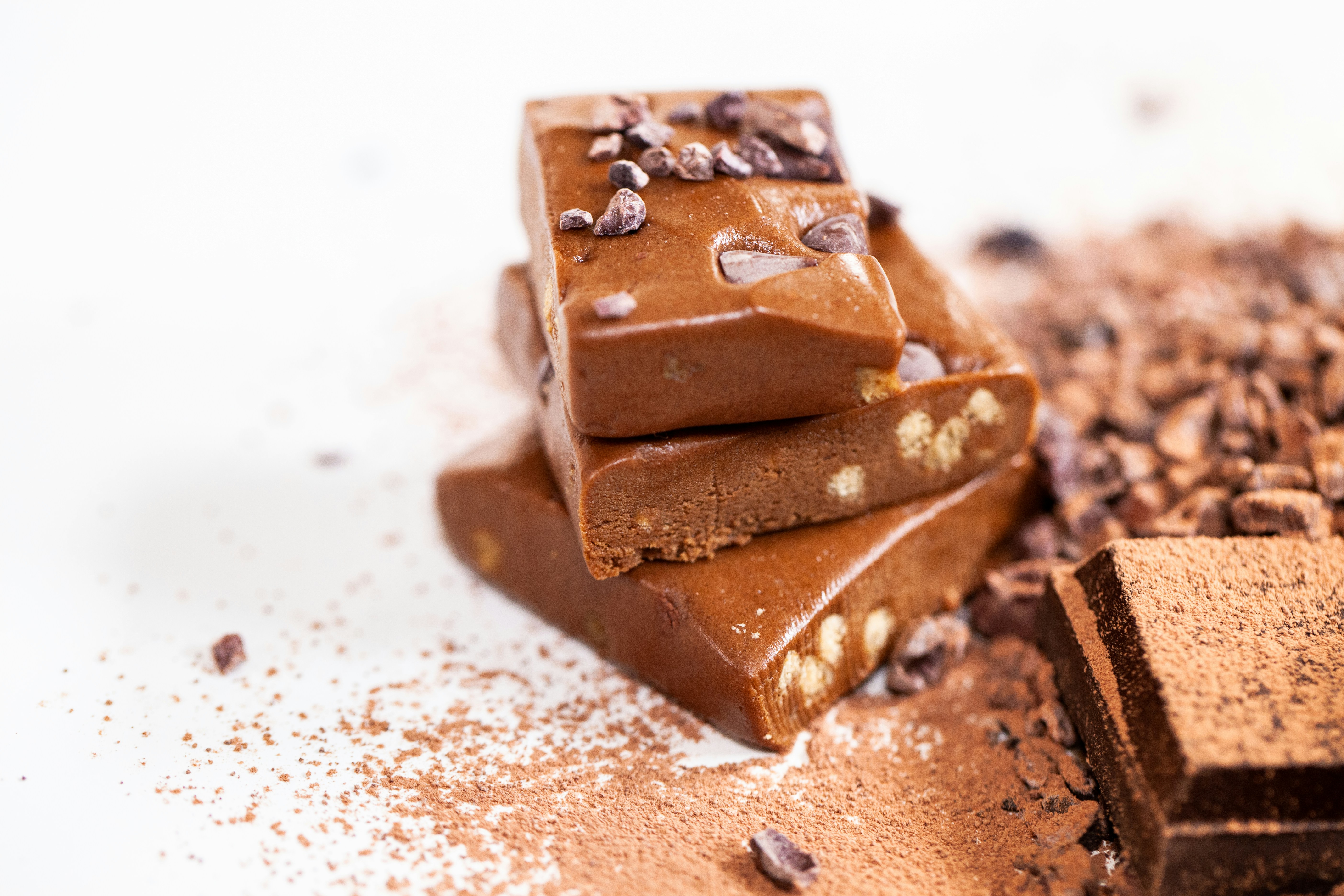
Budget protein bars score 19 points lower on average. We looked at what's driving the gap — and whether the savings are worth it.
Protein bars have become one of the fastest-growing product categories in Australian supermarkets. Walk down the health food aisle and you'll see dozens of options, from $2 budget bars to $6 premium ones. We scored them all to find out what the price difference actually buys you.
The short answer: a lot. Budget protein bars — those under $3 — averaged a health score of 38. Premium bars — $5 and above — averaged 57. That's a 19-point gap, which is one of the largest price-correlated differences we've found in any category.
The reasons are pretty straightforward once you look at the ingredients. Cheaper bars rely on sugar alcohols, maltodextrin, and hydrogenated vegetable oils to hit their protein claims at a low production cost. They bulk up with palm oil derivatives, artificial sweeteners, and emulsifiers. The ingredient lists are long.
More expensive bars tend to use higher-quality protein sources — whey isolate or pea protein rather than collagen filler — fewer additives, and real food ingredients like nuts, seeds, and dark chocolate.
But price alone doesn't tell the whole story. We found a handful of budget bars that scored in the 50s and 60s, and a few premium bars that scored in the 30s despite costing $6. Brand reputation and packaging design don't predict quality reliably.
The real lesson from this analysis: if you eat protein bars regularly, it's worth checking what's in them. A bar you eat five days a week has more impact on your health than a treat you eat once a month. The ingredient list matters more than the price tag or the marketing.
Want to look up these products yourself?
Search any product in the Trulu app or on this site.
Get the app