
Ultra-processed foods make up 42% of the average Australian diet — what does the evidence say?
By Clera Research
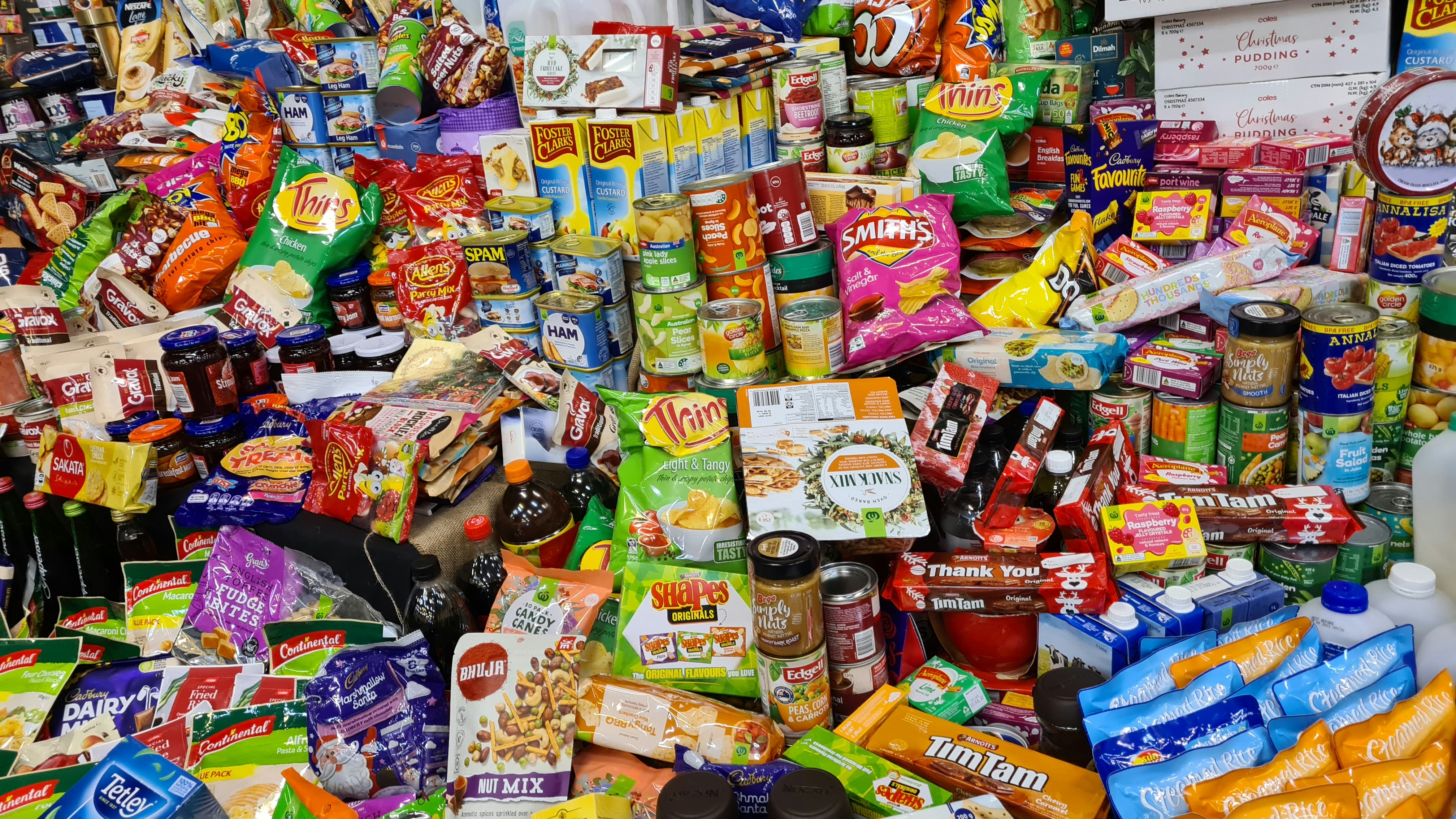
We break down the latest research on UPFs, what the NOVA classification means, and how Clera helps you identify them on the shelf.
Walk through any Coles or Woolworths and count the aisles. Most of what lines those shelves falls under what researchers call Group 4 on the NOVA classification: ultra-processed foods. According to a study published in the BMJ, roughly 42% of the calories the average Australian eats each day come from these products.
That figure puts us near the top globally, alongside the UK and the US. It's worth sitting with that for a moment. Nearly half of what we eat wasn't assembled in a kitchen. It was engineered in a factory from substances you wouldn't find in a pantry — modified starches, emulsifiers, flavour enhancers, hydrogenated oils.
The NOVA system was developed by a team at the University of São Paulo. It doesn't judge food by fat content or calorie count. Instead it asks a different question: how much has this food been changed from its original form? A baked potato is Group 1. Potato chips from a bag are Group 4. The distinction matters because emerging research suggests it's not just what we eat but how much it's been transformed that affects our health.
An umbrella review published in the BMJ in early 2024 looked at 45 pooled analyses — millions of participants across dozens of countries. The pattern was consistent: higher consumption of ultra-processed food was linked to increased risk of heart disease, type 2 diabetes, certain cancers, anxiety, depression, and dying earlier from any cause. That's a broad and sobering list.
What complicates things in Australia is the marketing. A protein bar with 23 ingredients, including maltodextrin, soy lecithin, and sucralose, can sit on a shelf labelled 'clean eating'. A muesli made with five types of sugar syrup can call itself 'natural'. These products qualify as ultra-processed despite looking like health food.
This is exactly why we built Clera the way we did. The app doesn't just flag a product as processed or not — it looks at the ingredient list, evaluates each component, checks the nutritional profile, and weighs the additive load. A product can be moderately processed and still score well if the nutrition backs it up. Another can be minimally processed and score poorly if it's loaded with sodium or sugar.
There's no perfect diet, and we're not here to tell anyone to never eat packaged food. That's not realistic. But the gap between what people think they're eating and what they're actually eating is wider than most realise. Closing that gap with better data is the whole point.
Sources: BMJ 2024 umbrella review; Monteiro et al., NOVA classification; ABS National Health Survey 2022–23.
Want to look up these products yourself?
Search any product in the Trulu app or on this site.
Get the app